






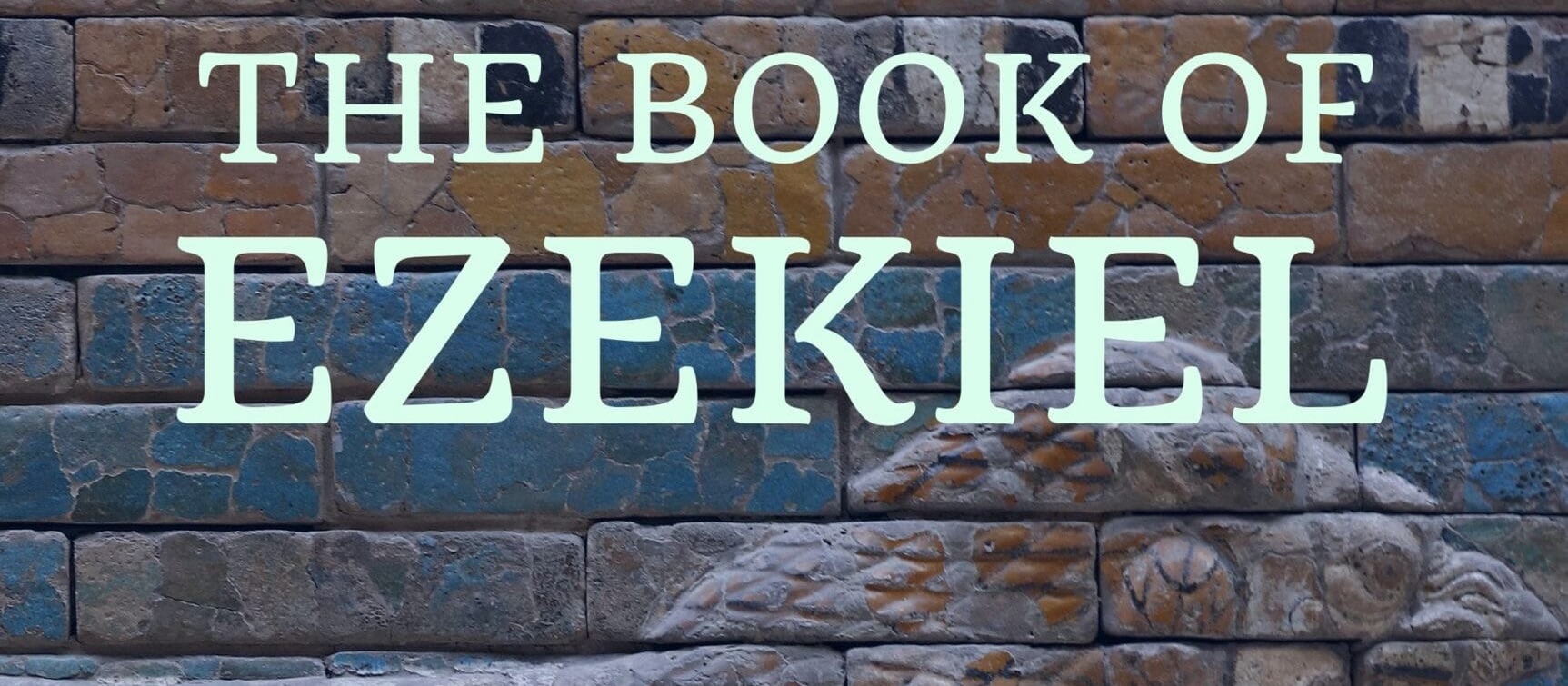
priest and prophet
The Old Testament book of Ezekiel was composed by a Jewish priest who in 597BCE was taken into captivity in Babylon. There he experienced astounding God-given visions. He was given a message for Israel, which he proclaimed via inspired poems and allegories, even communicating through divine street theatrics. Ezekiel self-identified as the watchman of Israel. But to gain Israel's attention God used more than vivid prophecies and symbolic theatrics. He used suffering.
In Ezekiel, immanent doom is the portal to ultimate hope. God acts in and through human history so that everyone may come to know Him and receive new life.
Ezekiel records a desecrated temple, but foresees a temple restored. He records God's angry judgment, but promises divine mercy. Appointed as God's watchman of judgment, Ezekiel foretells divine consolation. He proclaims the God of Israel is also the God over idolatrous Babylon.
podcasts return in september
give to hope community
Make a financial contribution online.
recent podcasts
Agog about Magog—7/26 … podcast
Can these bones live?—7/19 … podcast
Double meaning?—7/12 … podcast
Rebellious Israel shall be purged—6/28 … podcast
When God leaves—6/21 … podcast
Street theater prophet—6/14 … podcast
Watchman for Israel—6/7 … podcast
The day of the Lord—5/31 … podcast
Jesus is risen!—4/5 … podcast
This cup is Christ's blood—7/6/2025 … podcast
what Christians believe / autumn 2018
classic podcasts / timeless
sunday monologues conclude with Q&A
Traditionally called a sermon; usually signifying a one-way discourse. However, sermon can be a conversation. As was practiced in the earliest centuries of the church, Sunday sermons conclude with Q&A.